


An upsherin is a boy's third-birthday first haircut — the chalaka — celebrated with a real seudah and kiddush spread, and this page rounds up upsherin party supplies built around the blue-and-silver palette those tables lean on. Everything below ships same-day, in stock.
Blue & Silver Plates & Bowls for the Seudah


Cups for Kiddush and the Kids' Table


Cutlery for the Seudah


Napkins in Blue & Silver


Serving Pieces for the Kiddush Spread


Finish the Look
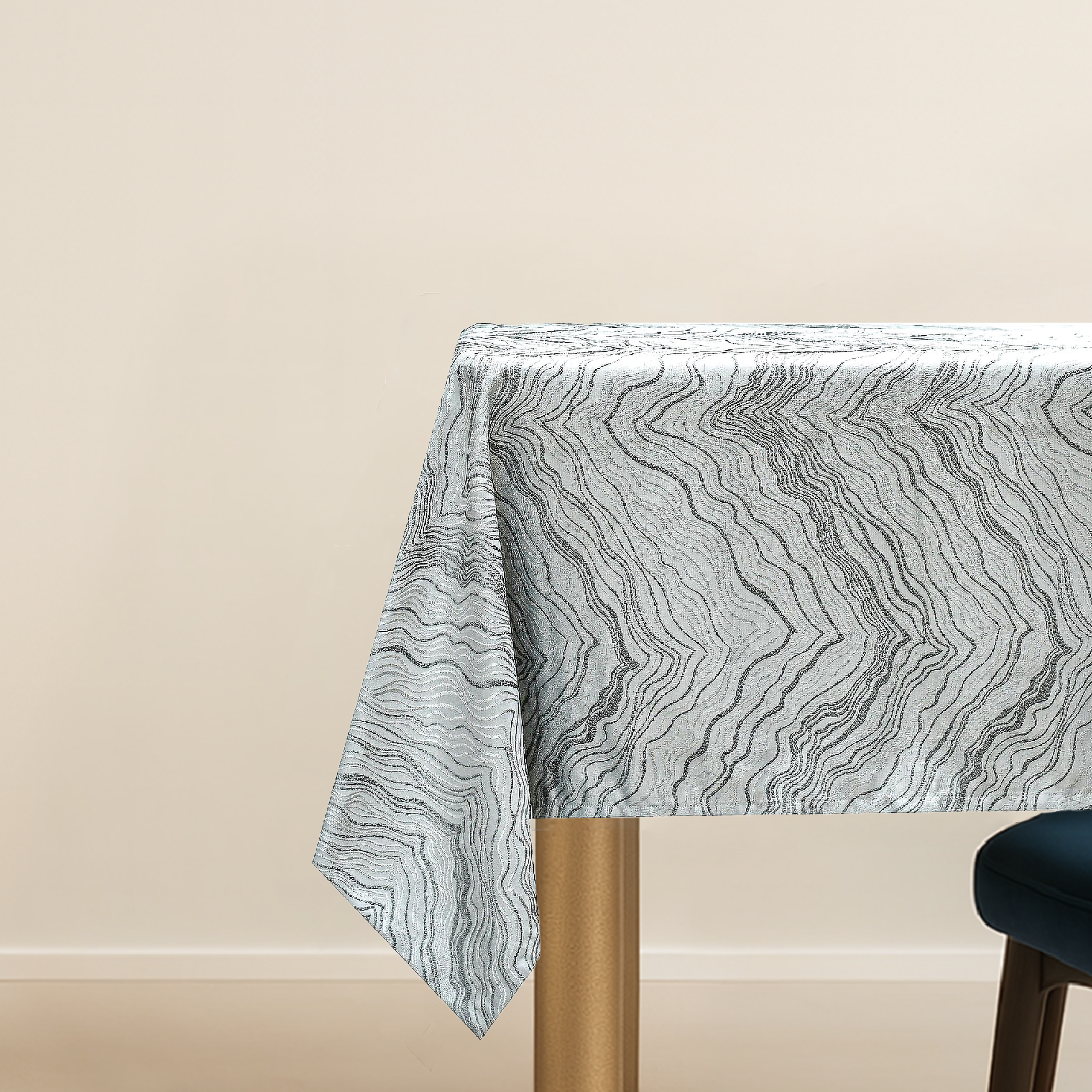
Complete the look with a matching Santa Monica or Jardin tablecloth.

The day itself carries its own content — the first cut of hair, a first set of tzitzis, sometimes a first letter of the aleph-bet traced in honey for the boy to lick off — and a lot of families echo those milestones in how the table gets styled: a small pair of scissors as a centerpiece prop, an aleph-bet banner, a tzitzis-blue thread running through the linens. We don't stock scissors, tzitzis, or any Judaica here; what's below is the blue-and-silver dinnerware built to sit underneath that styling without fighting it.
Underneath the styling is the practical part: enough plates, bowls, cups, cutlery, napkins, and serving pieces to run a kiddush that stretches from a short l'chaim into a full seudah, all in a palette that reads like a boy's milestone rather than a leftover birthday set. Everything here is in stock at closeout pricing and ships same-day, so finalizing headcount the week of the upsherin doesn't mean waiting on a special order.
Frequently Asked Questions
What is an upsherin, and why does the table get decorated for it?
An upsherin (also called a chalaka) is a boy's first haircut, celebrated around age three with family, a kiddush, and often a full seudah — enough of a simcha that many families set a real table for it rather than treating it as a quick trim at the barber. This page is built around the blue-and-silver palette that upsherin tables typically use.
How many place settings should we plan for an upsherin?
Most upsherin kiddushes land somewhere between an extended-family gathering and a full simcha, so plan the way you would for a kiddush after a bris — enough settings for grandparents, aunts, uncles, cousins, and close friends, with a smaller kids' table often set separately. The combo packs above make it easy to round up rather than run short.
Do you sell the scissors, kiddush cup, or aleph-bet chart used in the ceremony?
No — those are ritual and Judaica pieces, not tableware, so you'll source them separately. What's on this page is the disposable plates, cups, cutlery, and serving pieces that go underneath and around that ceremony, in the blue-and-silver colors families usually pick for it.
Why blue and silver instead of the colors used for a bris or bar mitzvah?
Blue and silver read as a boy's milestone without borrowing directly from a bris (often white and light blue) or a bar mitzvah (which leans more formal, often black and gold or navy). It's become the default upsherin palette for exactly that reason — festive enough for a simcha, distinct enough not to look recycled from another occasion.
Is "chalaka" the same thing as an upsherin?
Yes — chalaka is the Sephardic and Israeli term for the same first-haircut celebration Ashkenazi families call an upsherin. Both land around a boy's third birthday and both use the same kind of kiddush-and-seudah table, so this page works whichever name your family uses.