


A bas mitzvah table has to do double duty — festive enough for a simcha, formal enough for a room full of grown-ups in their good clothes, and consistent enough to carry from the head table where the bas mitzvah girl sits down to the very last guest table in the back of the hall.
Chargers for the Head Table & Guest Tables


Flatware for a Real Sit-Down Meal


Flutes & Stemware for the L'chaim


Soup & Dessert Bowls for Every Course


Serving Pieces for the Kiddush & Seudah Buffet


Finish the Look
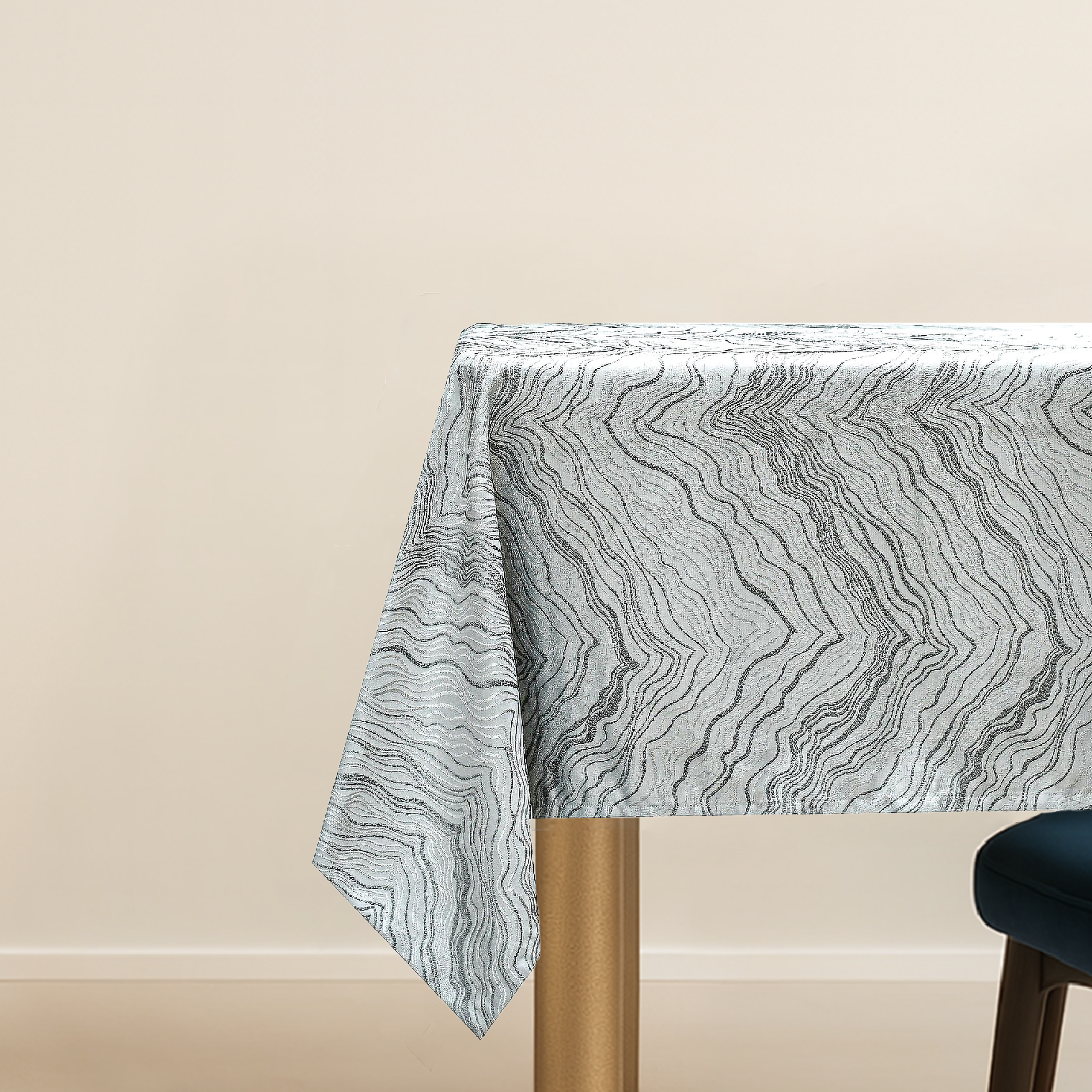
Complete the look with a matching Santa Monica or Jardin tablecloth.

That's a different job than a kids' birthday table, and it calls for different pieces: a charger under every plate, real flatware instead of a fork tucked into a napkin, flute-style stemware for the l'chaim toast, and proper soup and dessert bowls for a seudah that runs courses instead of cake and punch.
We've built this page around that formal mix in the four palettes that read best for a bas mitzvah simcha: soft pink for a classic girl's affair, and gold, white-and-gold, or black-and-gold for a room that leans more sophisticated than sweet. Mix an upgraded head table with simpler, coordinated guest tables — everything below is in-stock, closeout-priced, and ships same-day, so a last-minute headcount change or a torn napkin box the morning of never turns into a scramble.
Frequently Asked Questions
What's the difference between setting up for the kiddush and setting up for the seudah?
A kiddush is the lighter reception before or after the main event — wine or grape juice in stemware, a spread of nosh on serving trays, cocktail napkins — while the seudah is the full sit-down meal, which is where chargers, real flatware, and soup and dessert bowls come in for each course. Many bas mitzvah celebrations run both back to back, so it helps to buy the stemware and serving pieces in a count that covers both the kiddush crowd and the seated meal.
How many place settings do I need for a bas mitzvah?
A home or shul-hall bas mitzvah typically runs anywhere from 50 to 150 guests between family, friends, and the girl's classmates, so count place settings — charger, plate, bowl, flatware, napkin — per confirmed guest and round up by 10-15% for extra helpings and last-minute additions. Buying the combo counts (20, 32, 50) above works out cheaper per setting than smaller packs, and everything ships same-day if the final headcount comes in higher than planned.
Should the head table look more formal than the guest tables?
Many families do dress the head table up a step — a gold-rim charger under every plate, the nicer stemware for the l'chaim — while the guest tables run a simpler but color-matched setting from the same collection. Because everything here is disposable, that mix costs nothing extra in coordination; the guest tables just use fewer of the upgraded pieces.
Which color is right for a bas mitzvah — pink, gold, white and gold, or black and gold?
Pink is still the classic choice for a girl's simcha and pairs naturally with gold-rim flatware and stemware. Gold on its own reads warm and a little more grown-up than pink alone; white and gold leans bright and formal for a daytime or shul-hall affair; black and gold is the pick for an evening-formal, more sophisticated room. All four draw from the same chargers, flatware, and serving lines, so switching palettes doesn't mean switching product families.
Is disposable tableware really formal enough for a bas mitzvah, or does it look like a kids' party?
The chargers, flatware, and stemware collections on this page are the same heavy-duty lines this store sells for weddings and sheva brachos, not the flimsy picnic-ware a birthday table might use — gold-rim goblets and weighted flatware photograph and set a table like real china. The difference between a bas mitzvah table and a kids' birthday table is exactly the mix on this page: chargers and flatware and stemware instead of cups and balloons.